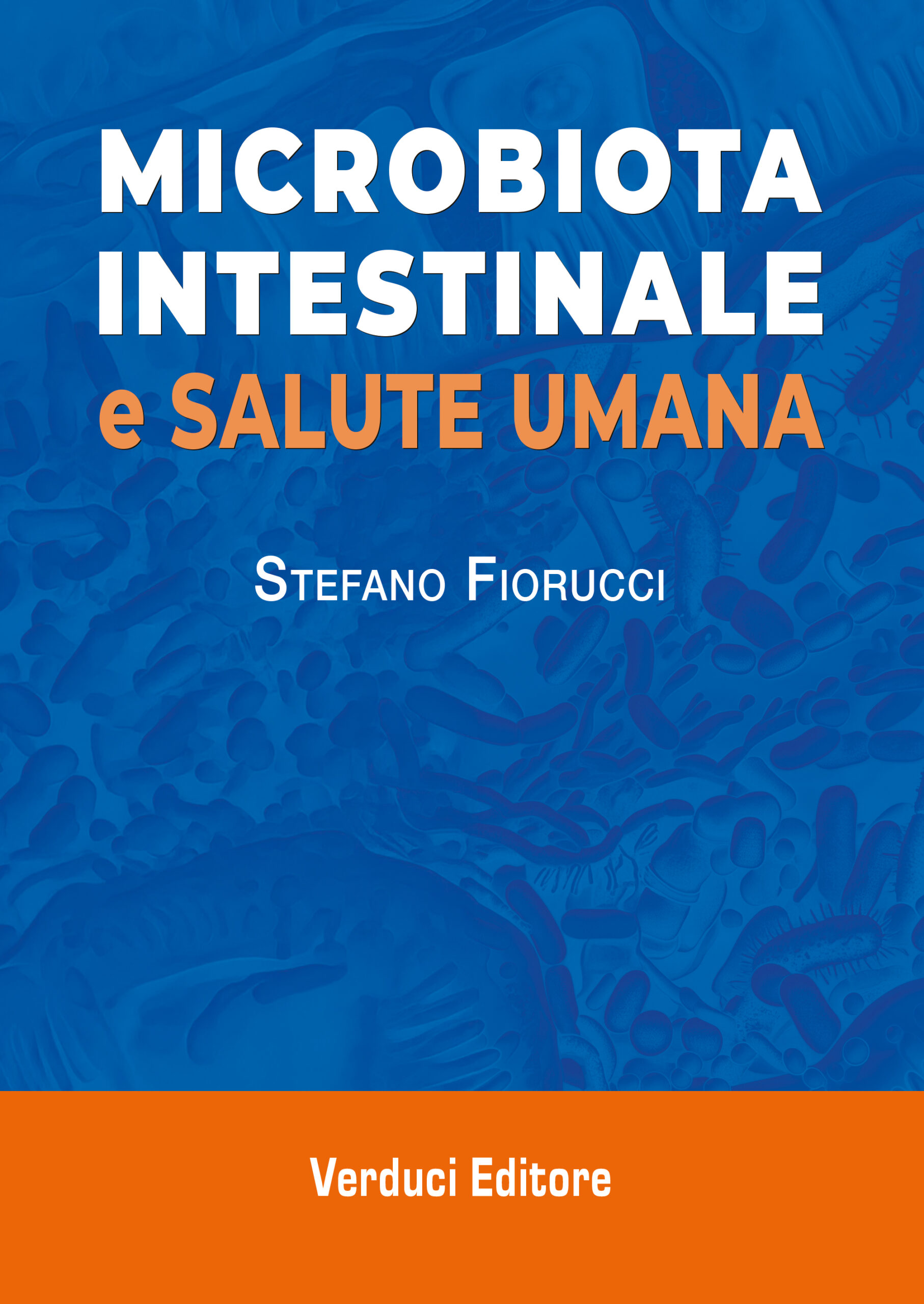
Microbiota Intestinale e Saluta Umana
Volume size 17 x 24, 247 pages with numerous full-color tables.
Over the past two decades, the gut microbiota has emerged as one of the main biological determinants of human body homeostasis. This interest, however, represents the culmination of a scientific journey that began long ago. The first observations of human-associated microorganisms were made in the 17th century by Antonie van Leeuwenhoek, who described microorganisms present in the oral cavity and feces.
For much of the 20th century, microorganisms were considered almost exclusively as pathogens; only gradually did the concept of a commensal “bacterial flora” emerge. However, traditional culture methods allowed for the identification of only a very limited fraction of the species present in the human gut. A conceptual and methodological transformation occurred with the introduction of 16S rRNA sequencing techniques, which later evolved into modern shotgun metagenomics techniques. Finally, a decisive contribution to the knowledge of the microbiota came from the Human Microbiome Project, which systematically defined the composition of human microbial communities, introducing the concept of the microbiome as an integrated functional component of the host organism.
Today, the gut microbiota is recognized as a meta-organism made up of trillions of microorganisms – bacteria, archaea, viruses, and fungi – endowed with an overall genetic heritage (microbiome) far greater than that of the human host. This ecosystem performs essential metabolic, immunological, and endocrine functions for the maintenance of physiological homeostasis.
Host-microbiota communication is bidirectional and mediated by a complex network of microbial metabolites, immune mediators, and neuroendocrine signals. Key functional mediators include short-chain fatty acids, secondary bile acids, tryptophan derivatives, biogenic amines, and lipopolysaccharide metabolites. Through these signals, the microbiota regulates the maturation of the immune system, epithelial permeability, energy metabolism, and the gut-liver and gut-brain axes.
Qualitative and functional alteration of the intestinal microbial community – defined as dysbiosis – has been associated with numerous chronic diseases, including metabolic liver diseases (MASLD), atherosclerotic cardiovascular diseases, obesity, diabetes mellitus, inflammatory bowel diseases, autoimmune conditions, and neoplasms. In these conditions, increased intestinal permeability, caused or co-caused by dysbiosis, and the subsequent systemic translocation of microbial components are hypothesized to contribute to the development of a chronic low-grade systemic inflammatory state, resulting in metabolic and immune dysregulation.
Despite numerous epidemiological and experimental associations, distinguishing between correlation and causality between human diseases and dysbiosis remains one of the main research challenges in the field. However, the integration of multi-omics technologies – metagenomics, metatranscriptomics, metaproteomics, and especially metabolomics – now allows us to characterize not only the microbial composition but also its in vivo functional activity, making it increasingly possible to correlate metabolic products of the dysbiotic microbiota with human diseases. Metabolomics, therefore, represents a crucial bridge between the microbiota and the clinical phenotype. The identification of specific microbial metabolic signatures opens the possibility of defining diagnostic, prognostic, and predictive biomarkers of therapeutic response.
In this context, the translational dimension of microbiota research emerges. The targeted modulation of the microbial community is not only a new frontier of knowledge but represents a new frontier in the diagnosis and therapy of human diseases. The manipulation of the human microbiota, now possible through a variety of more or less complex methods—from diet to the use of prebiotic foods, probiotics, postbiotics, fecal microbiota transplantation, and the development of microbiome-based approaches or live biotherapeutics—is a therapeutic area of growing interest in numerous human diseases, some of which are characterized by high prevalence. In parallel, the characterization of the individual microbiome outlines the introduction of precision medicine strategies, where the microbial profile contributes to risk stratification and therapeutic choices.
Therefore, an integrated understanding of host-microbiota interactions not only represents a fundamental cognitive advancement in human pathophysiology but also forms a basis for diagnostic and therapeutic innovations of clinical relevance.
Given the vastness and complexity of studies on the gut microbiome, it is often difficult to access a critical and integrated synthesis of the available evidence. This volume, Il microbiota e la salute umana, was conceived to provide a systematic and updated discussion of the role of the microbiota in physiology and in major chronic diseases.
For each pathological condition, the following are analyzed:
- Molecular and immunological mechanisms associated with eubiosis and dysbiosis
- Nutritional and pharmacological approaches for modulating the microbiota
- Therapeutic perspectives based on the microbiome and personalized medicine
Particular attention is given to the mechanisms of action of probiotics, postbiotics, and nutritional interventions capable of modifying the microbiota composition, analyzed in light of the most recent clinical and experimental evidence, integrating mechanistic studies and translational data.
Aimed at nutrition professionals, clinicians, and biomedical researchers, the text intends to provide an updated reference tool for understanding the role of the microbiota as a central biological determinant in human health and as an emerging therapeutic target.
Original price was: €29,00.€27,50Current price is: €27,50.
Additional information
| Weight | 0,6 kg |
|---|---|
| edizione | Gennaio 2025 – 12 Edizione |
| formato | Volume formato 14 x 21 |
| pagine | 800 pagine |
Description
Section I – Microbiota, immunity, and nutrition
- Gut microbiota: composition, functions, and alterations of the human microbiota
- How to study the gut microbiota
- Microbiota and immunity
- Gut microbiota and human nutrition
- Endocrine effects of the microbiota: bile acids
Section II – Microbiota and Human Diseases
- Gut microbiota and metabolic diseases
- Microbiota and liver diseases
- Microbiota and inflammatory bowel diseases
- Gut microbiota in food allergies and intolerances
- Gut microbiota and the “gut-brain axis”
- Gut microbiota and neoplasms
Section III – Modulating the microbiome to improve health
- Probiotics, prebiotics, and postbiotics – strategies to modulate the gut microbiota
- Fecal microbiota transplantation: an emerging therapeutic option
- Diet and gut microbiota: a crucial link
- The future of microbiome medicine: clinical implications and therapeutic perspectives
Related products
-
 Mathias Hofer
Ecografia Manuale didattico
Original price was: €61,00.€58,00Current price is: €58,00. Buy now -
 Anna Maria Naddei
La testa sulle SPALLE IL BEN ESSERE del corpo
Original price was: €20,00.€19,00Current price is: €19,00. Buy now -
 B. Benini - G. Palazzini - M.A. Liguori
Top Trocar
Original price was: €65,00.€61,50Current price is: €61,50. Buy now
… tutto quello che avreste voluto sapere sulla laparoscopia ma non…