Smart Surgeons Sharp Decision
Paperback volume, 14 x 21 cm, 150 pages, with color laminated cover.
Many years ago, I was struck by a Sunday newspaper article with a title along the lines of “Even monkeys can be taught to become surgeons”. Scientists had managed to teach chimpanzees technical aspects of surgical procedures.
The authors wondered whether primates might one day learn to perform a simple, standard surgical operation. This was long before anyone imagined the use of robots.
The fundamental illusion—that surgery is merely a technical skill—remains difficult to dismantle, especially with the rise of specialized technical roles such as endoscopy nurses and hernia specialists.
Patients like to believe that surgeons, like robots, always operate at the peak of their abilities. No one imagines a surgeon having a bad day, being in a bad mood, feeling unwell, or simply being bored. Here is the shock: surgeons are human too.
Therefore, anyone who wants to be a smart surgeon must know more than anatomy and physiology. A smart surgeon must understand how emotions and behavior affect performance, recognize personal limits, and manage both success and failure.
This book explores the idea that being a surgeon involves much more than knowledge. It offers a framework to help professionals get the best out of themselves in moments of triumph as well as adversity.
This book is not for monkeys. It is for surgeons who want to be more than good technicians—those who want to optimize performance and behavior through insight and intelligence.
Original price was: €30,00.€28,50Current price is: €28,50.
Additional information
| edizione | Giugno 2014 |
|---|---|
| autori | Shiralkar Uttam |
| formato | Volume formato 14 x 21 |
| pagine | 150 pagine |
| informazioni extra | rilegato in brossura copertina a colori e plastificata. |
Description
- Chapter 1 – Checkmate: the checklist phenomenon
- Chapter 2 – To err is surgical: human factors in surgery
- Chapter 3 – Why good surgeons make bad decisions
- Chapter 4 – Cognitive errors: what were you thinking at that moment
- Chapter 5 – Does intuition make any sense?
- Chapter 6 – How surgeons think
- Chapter 7 – Smart surgeons and critical decisions: how do they do it?
Related products
-
 Skandalakis L.J - Skandalakis J.E. - Skandalakis P.N.
Anatomia e Tecnica Chirurgica
Original price was: €55,00.€30,00Current price is: €30,00. Buy now -
Britt L.D. - Trunkey D.D. - Feliciano D.V.
Chirurgia d’Urgenza – Principi e Pratica
Original price was: €160,00.€80,00Current price is: €80,00. Buy now -
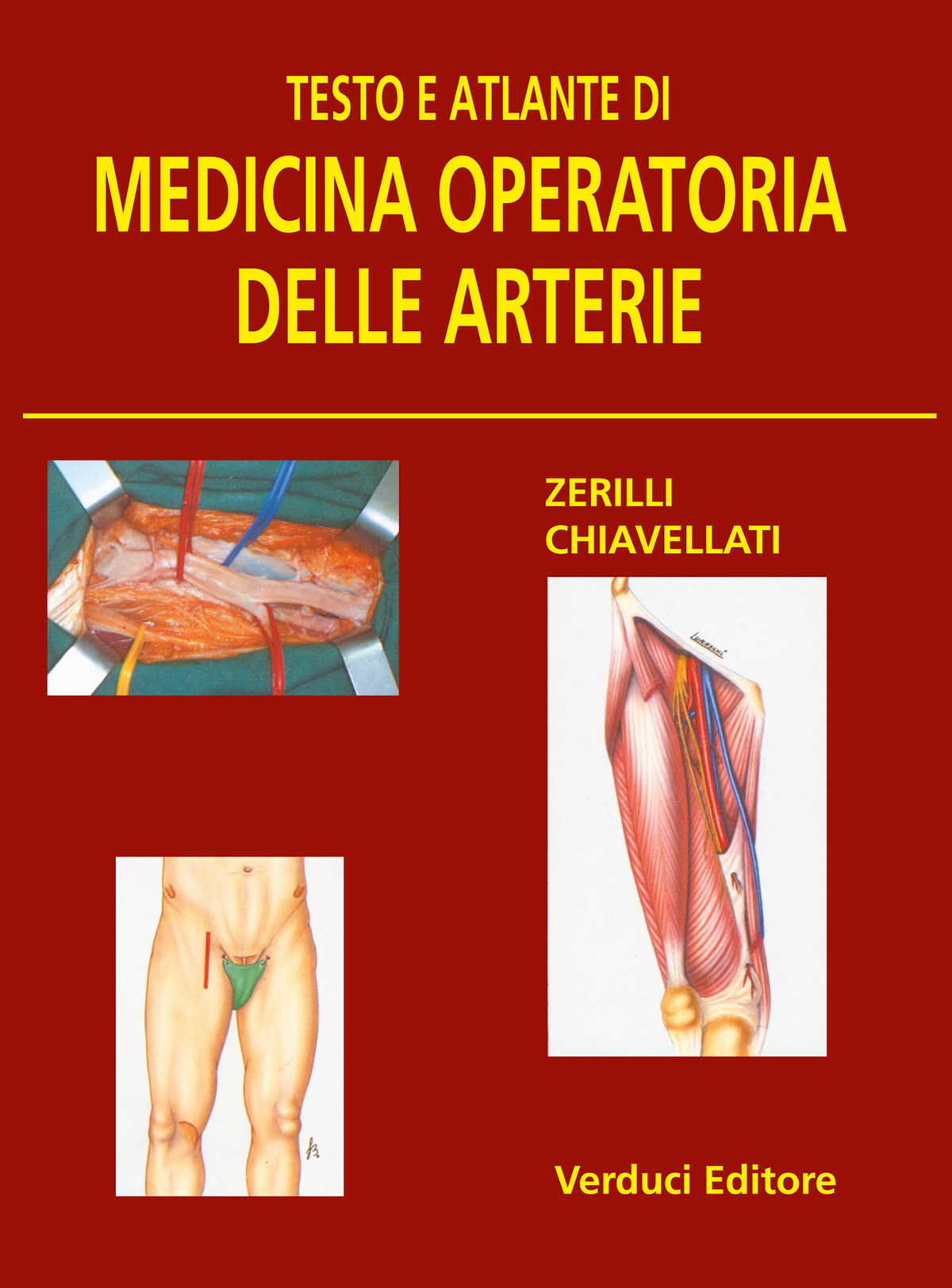
 Zerilli M. - Chiavellati L.
Medicina Operatoria delle Arterie
Original price was: €140,00.€50,00Current price is: €50,00. Buy now