

Smartwatches and Competence: The Future Didn’t Arrive — It Already Happened
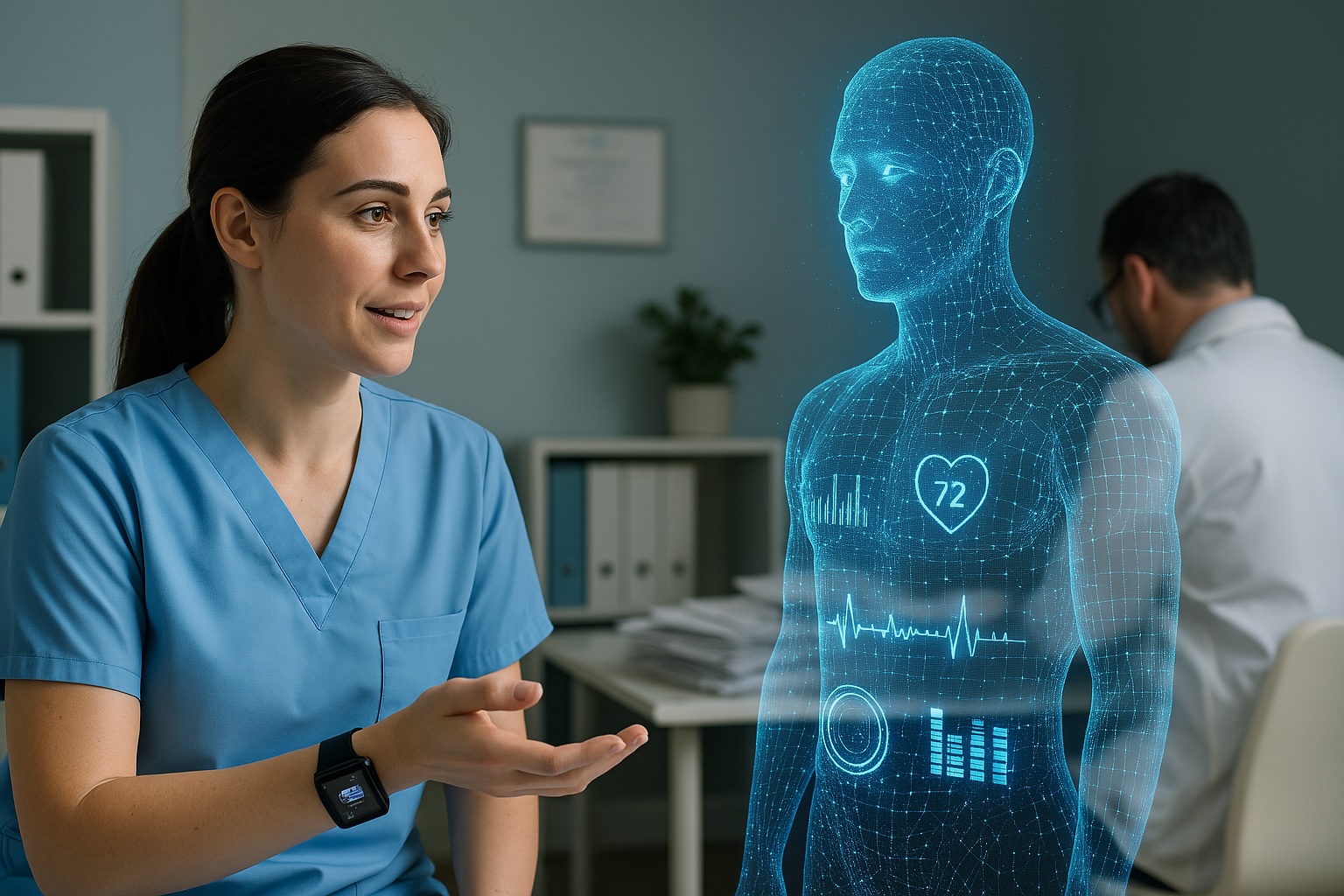
Walk into any hospital ward and you will notice something striking: almost every nurse is wearing a smartwatch, while most doctors are not.
This seemingly minor observation points to a deeper shift: a growing gap between those who embrace technology and those who simply tolerate it.
Let us be clear: when people say that artificial intelligence will replace doctors, what they are really saying is that competence will replace incompetence. The question is not whether machines will replace human expertise, but whether professionals who ignore the tools already in their patients’ hands will remain relevant.
Anyone who understands what a smartwatch does can:
- explain it clearly to patients;
- use it to provide more precise and continuous follow-up;
- recommend tech-based, personalised solutions that improve outcomes.
The other day, I walked into an Apple Store. I asked about a smartwatch and the salesperson immediately started asking me health-related questions – not to diagnose me, but to figure out which device could best fit my physiological profile. That was not medicine, but it was applied health literacy. And this, dear physicians, is already happening – outside our clinics.
Meanwhile, I see many doctors attending courses on breathing techniques, nutrition strategies or even marketing skills. Some join AI seminars that, let us be honest, remain largely theoretical and detached from practice. Useful? Perhaps. But while we theorise, the wearable tech industry is moving fast, launching clinically relevant devices every single day, many of which are certified as medical devices.
And yet, many still call them gadgets. Some of these wearables are, in essence, always-on Holter monitors, with live alerts, remote analysis and seamless integration with AI systems.
As Forrest Gump once said: “Stupid is as stupid does.”
Dismissing certified medical devices as toys? That is not smart.
The real key: connectivity
Here is the real key: connectivity. With 5G and eSIM technology, a simple smartwatch becomes a constant gateway to massive computational infrastructures. These tiny devices can collect and transmit health data in real time to AI systems housed in data centres the size of buildings.
🔎 In short:
- Technology is not replacing doctors – stagnation is.
- Those who understand digital tools can support patients more accurately, continuously and proactively.
- And yes – this means that someone who is not a doctor may sometimes be better equipped to help a patient than you are, simply because they understand the tech.
This is not about surrendering your role. It is about reclaiming it – with new tools, new vision and renewed responsibility.
Because those who treat cutting-edge medical devices as gadgets are not resisting change – they are ignoring reality.
Sergio d’Arpa