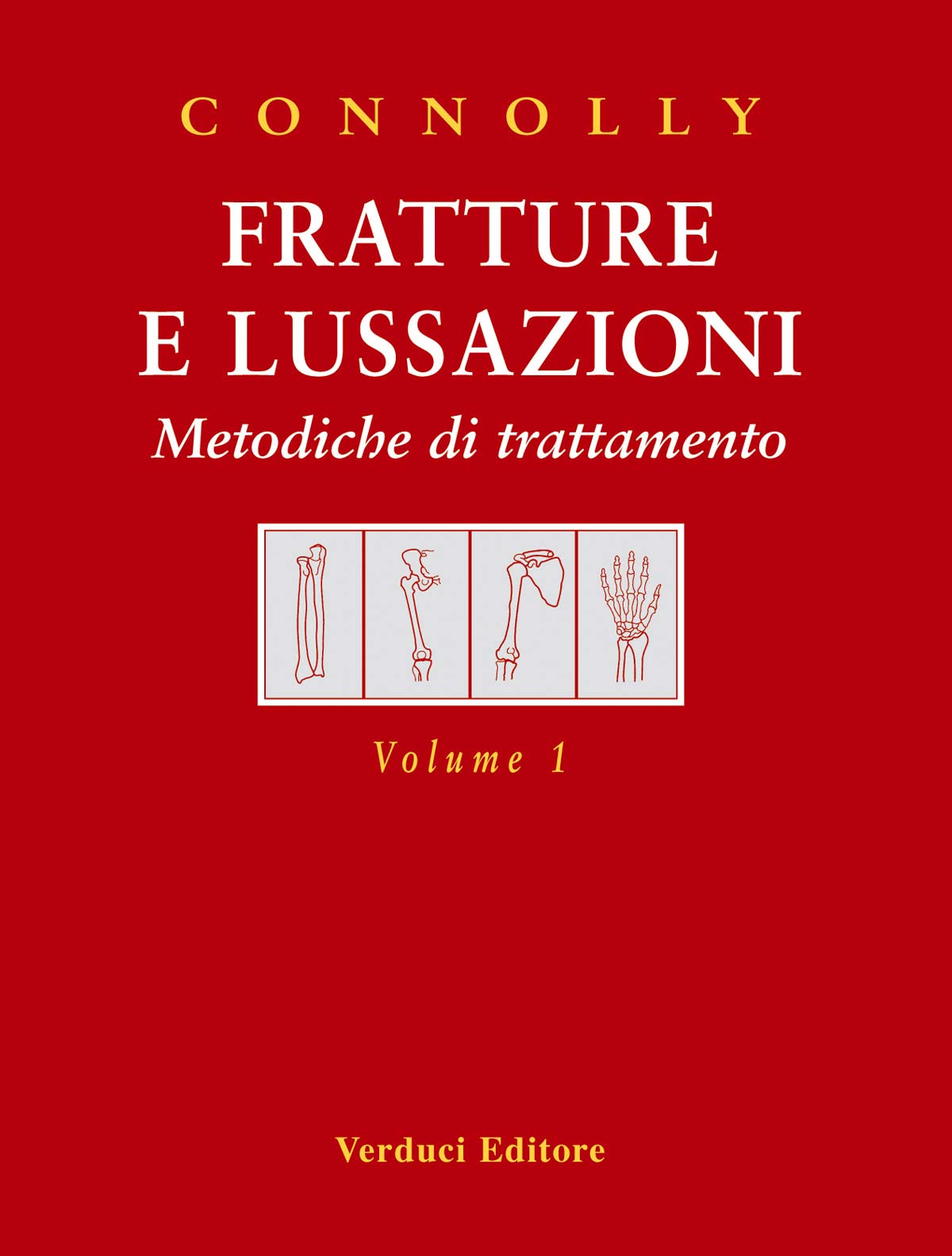
Fratture e Lussazioni
Two-volume large-format work (22 × 28 cm): 1,720 pages and 3,640 illustrations. Printed on special paper and bound with a full-colour, laminated dust jacket.
In this work, the author relies on an illustrated atlas to demonstrate sequential methods for functional closed (non-open) treatment. This approach presents common techniques designed to foster, rather than hinder, effective repair processes, aiming to provide patients with the best risk/benefit ratio for the most frequent fractures. Radiographic fracture classifications—often observer-dependent and difficult to apply consistently—are intentionally avoided in favour of a mechanism-based framework (direct and indirect injury patterns) leading to fracture or dislocation. Once the underlying mechanisms are understood, they can be “reversed” to guide reduction and treatment. After reduction and satisfactory alignment are achieved, reliable methods for maintaining reduction are illustrated. When internal fixation is required to stabilise or maintain reduction, the book outlines available techniques and refers readers to specialist bibliography for detailed operative guidance.
Original price was: €220,00.€95,00Current price is: €95,00.
Additional information
| edizione | 2006 |
|---|---|
| autori | Connolly J.F. |
| formato | 2 volumi grande formato (22 x 28) |
| pagine | 1720 pagine |
| informazioni extra | Stampata su carta speciale e rilegata con sovracoperta stampata a colori e plasificata. |
Description
Volume 1
Chapter – 1 Principles
- Definitions and causes
- Factors affecting healing speed
- Complications of fractures
- Diagnosis: clinical and radiographic patterns
- Emergency management of fractures
Chapter – 2 Epiphyseal injuries and other childhood fractures
- General characteristics of paediatric fractures
- Mechanisms of epiphyseal injuries
- Prognostic factors
- Growth potential of the physes
- Clinical features of childhood fractures
- Treatment of epiphyseal separations by fracture type
- Other typical childhood fractures
- Diagnosis and treatment of the most common fractures in children
Chapter – 3 Cervical spine injuries
- Epidemiology
- Anatomical features
- Trauma mechanisms
- Emergency cervical immobilisation
- In the emergency department
- Acute trauma treatment
- Incomplete spinal cord injuries
- Other incomplete injuries
- Upper cervical spine injuries
- Fractures of C3–C7 vertebrae
- Rehabilitation of the patient with spinal cord injury
- Summary of acute trauma management
Chapter – 4 Fractures, dislocations and fracture-dislocations of the thoracic and lumbar spine
- Demography
- Anatomical features
- Trauma mechanisms and impact on stability
- Initial clinical assessment
- Indications for closed treatment
- Hyperflexion (wedge) fractures
- Compression fractures associated with osteoporosis
- Metastatic collapse vs osteoporotic fractures
- D1–D9 fractures with paraplegia: management
- Burst compression fractures
- Burst fractures with incomplete paraplegia
- Flexion-distraction (“seatbelt”) injuries
- Unstable flexion-rotation injuries – fracture-dislocations
- Other unstable flexion injuries – lateral bending fractures
- Isolated transverse process fractures (lumbar spine)
- Hyperextension trauma: extension fractures in ankylosed spine
- Shear hyperextension fracture-dislocations (“lumbar whiplash”)
- Hyperextension injuries causing acquired spondylolisthesis
- Direct trauma fractures and fracture-dislocations
- Complete lateral spinal dislocation without cord injury
- Other direct trauma fractures of the spine
- Rehabilitation after traumatic paraplegia
Chapter – 5 Pelvic fractures and dislocations
- Anatomical features
- Pelvic fractures
- Pelvic fracture-dislocation
- Pelvic dislocations
- Late-onset symptoms from unilateral sacroiliac structural disruption: treatment
- Lethal injuries in open pelvic fractures
- Retroperitoneal abscess: potentially lethal complication
- Summary of complications
Chapter – 6 Hip and acetabular dislocations and fracture-dislocations
- Mechanisms of hip dislocations and fracture-dislocations
- Acetabular fractures
Chapter – 7 Femoral fractures
- Femoral neck fractures
- Greater trochanter fractures
- Lesser trochanter fractures
- Intertrochanteric fractures
- Subtrochanteric fractures
- Femoral shaft fractures
- Supracondylar and distal third femur fractures
- Unicondylar femoral fractures
- Complications of femoral shaft fractures
- Treatment of residual stiffness
- Other issues in femoral fractures
Chapter – 8 Traumatic soft tissue injuries and bony lesions of the knee
- Static and dynamic stabilising structures
- Traumatic ligament injuries
- Knee fractures and fracture-dislocations
- Open intra-articular traumatic injuries
- Tibial condyle and tibial plateau fractures and fracture-dislocations
- Stress fractures in the elderly knee: a cause of acute knee pain
Chapter – 9 Tibia and fibula fractures
- Tibial shaft fractures
- Isolated fibular shaft fractures
- Stress fractures of tibia and fibula
Volume 2
Chapter – 10 Midfoot injuries: sprains, dislocations and fractures
- Anatomical features and trauma mechanisms
- Midfoot sprains
- Midfoot fractures
- Midfoot dislocations
- Complications
Chapter – 11 Fractures and fracture-dislocations of the foot bones
- Talus fractures and dislocations
- Calcaneus fractures
- Navicular fractures and fracture-dislocations
- Cuboid and cuneiform fractures
- Midtarsal joint dislocations and fracture-dislocations
- Tarsometatarsal dislocations and fracture-dislocations
- Phalangeal fractures
Chapter – 12 Fractures and dislocations of the shoulder complex
- Fractures and dislocations of the shoulder complex
- Dislocations and subluxations
Chapter – 13 Humerus fractures
- Causative mechanisms
- Humeral shaft fractures
- Complications of humeral fractures
Chapter – 14 Fractures and dislocations around the elbow
- Distal humerus fractures
- Vascular and nerve complications associated with elbow fractures and dislocations
- Adult supracondylar and intercondylar humerus fractures
- Adult capitellum fractures
- Elbow dislocations
- Traumatic myositis ossificans
- Other fractures, dislocations and internal elbow lesions
Chapter – 15 Diaphyseal fractures of the forearm bones
- Epidemiology in adults (over 17 years)
- Anatomical considerations
- General treatment considerations
Chapter – 16 Fractures and dislocations around the radius
- Distal radius fractures: Colles, Smith and Barrton fractures
- Radial styloid process fractures
- Traumatic distal ulna dislocation/subluxation (with or without associated fracture)
- Carpal fractures and dislocations: general principles
- Scaphoid fractures
- Lunate and perilunate dislocations and subluxations
- Other carpal dislocations and subluxations
- Carpal bone fractures
- Neurological complications of carpal injuries
Chapter – 17 Hand fractures and dislocations
- Applied anatomy
- Basic principles of treatment for fractures and hand injuries
- Thumb dislocations and fracture-dislocations
- Finger fractures, dislocations and fracture-dislocations
- Open hand dislocations
- Interphalangeal joint injuries
Related products
-
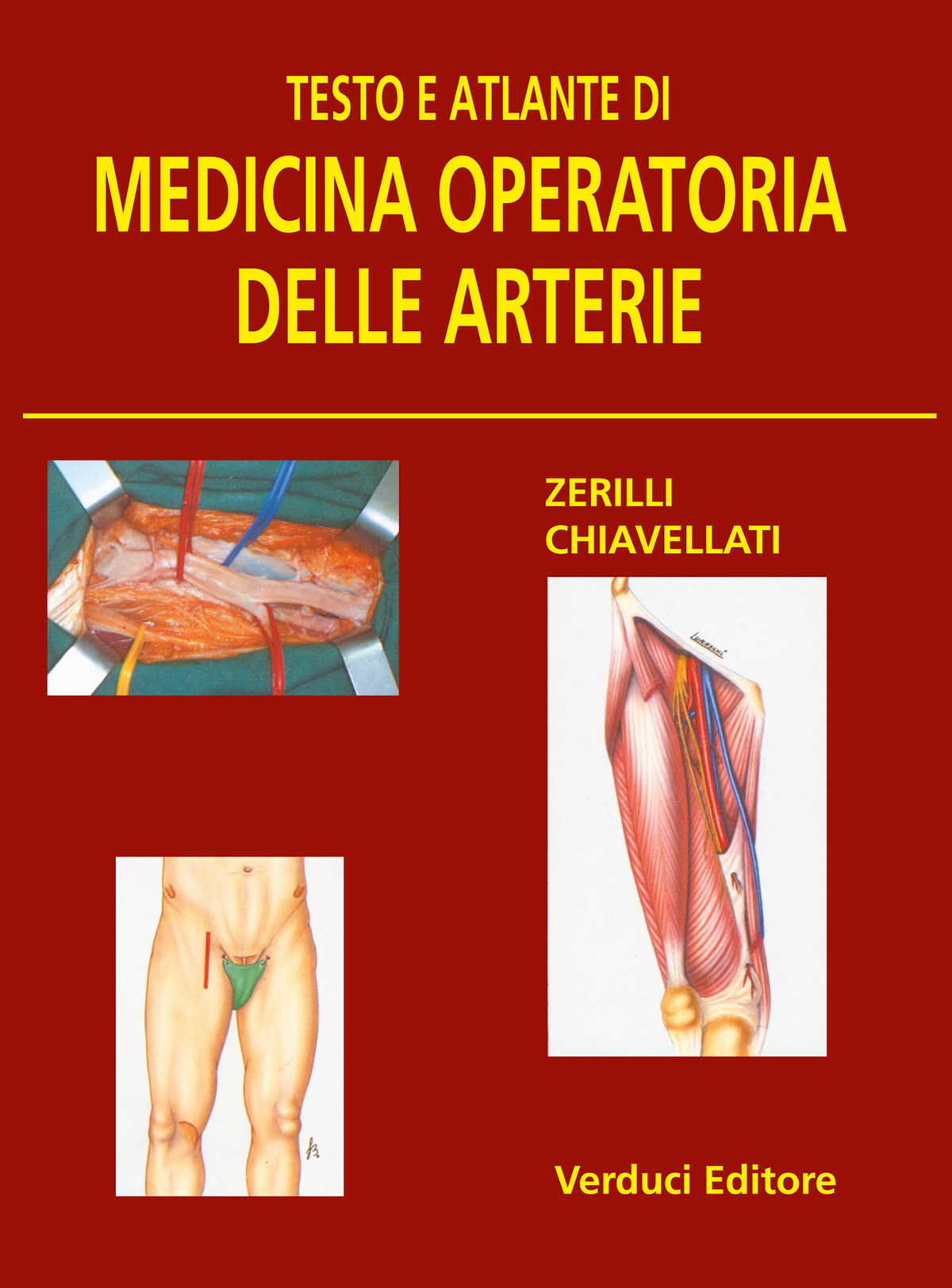
 Zerilli M. - Chiavellati L.
Medicina Operatoria delle Arterie
Original price was: €140,00.€50,00Current price is: €50,00. Buy now -
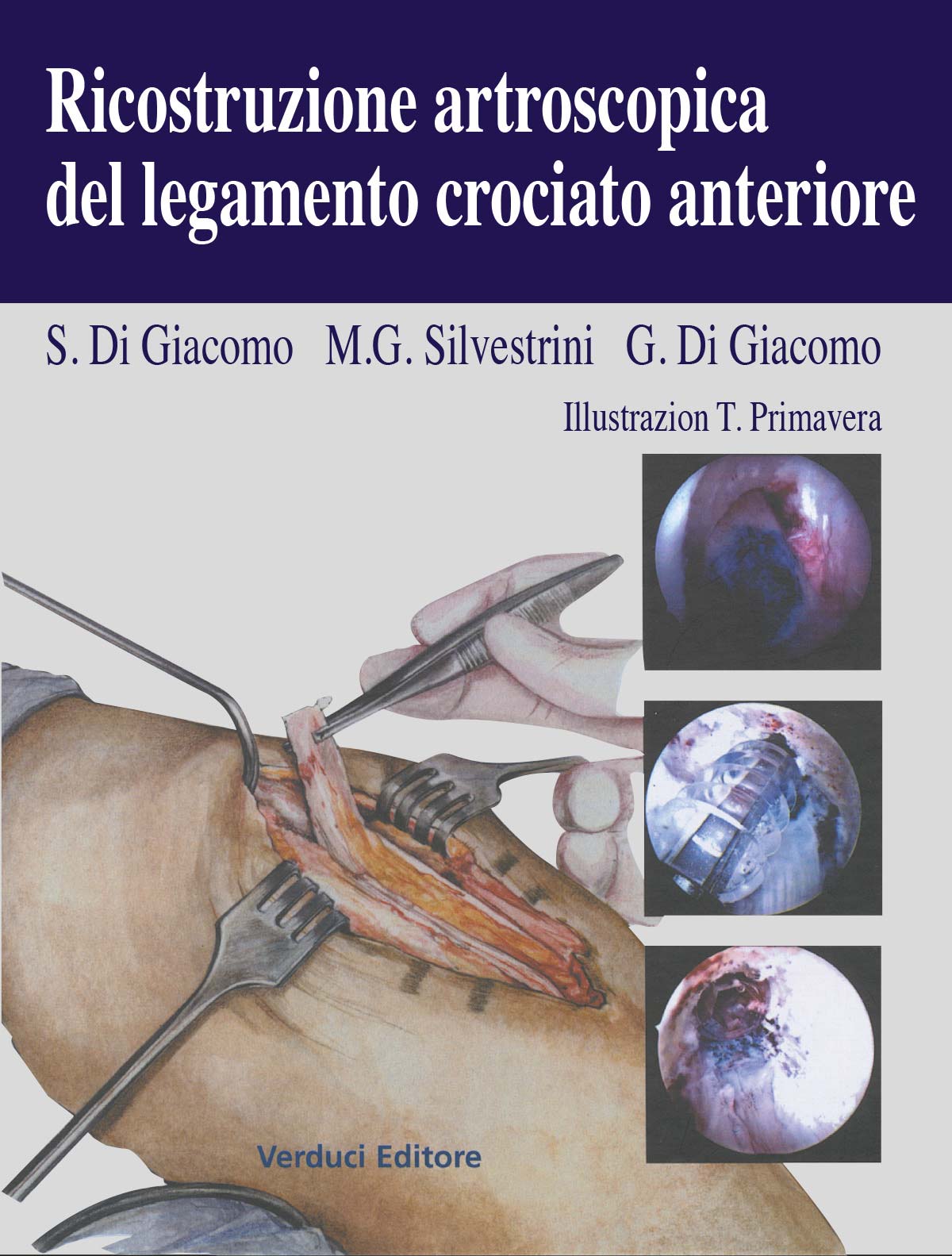
 Di Giacomo S. - Silvestrini M.G. - Di Giacomo G.
Ricostruzione Artroscopica del Legamento Crociato Anteriore
Original price was: €95,00.€60,00Current price is: €60,00. Buy now -
Morrey B.F.
Le Patologie del Gomito
Original price was: €230,00.€50,00Current price is: €50,00. Buy now