

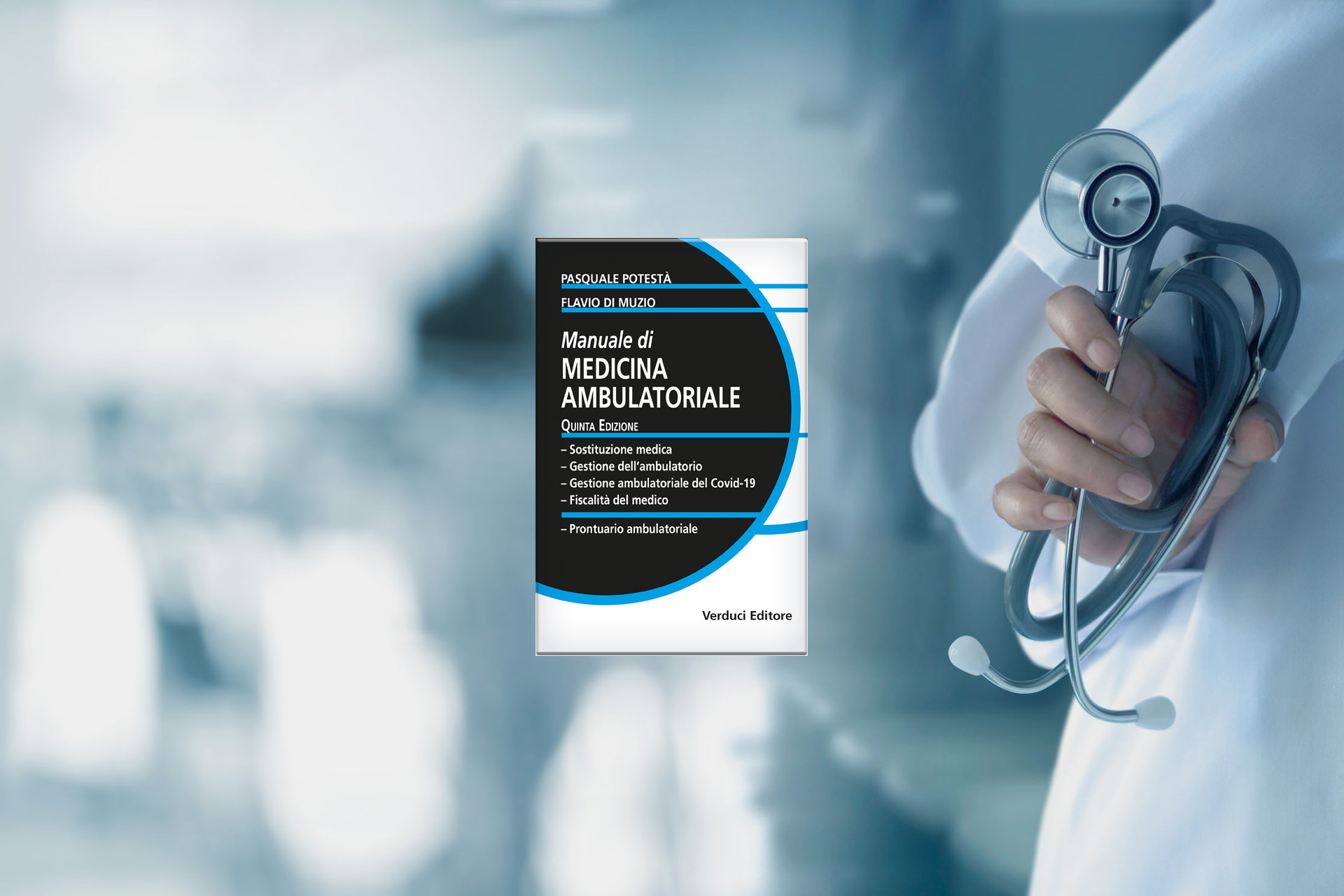
Manuale di Medicina Ambulatoriale – New Edition
This new edition of the Manuale di Medicina Ambulatoriale is being published in the midst of the SARS-CoV-2 pandemic, which has claimed a large number of human lives and exacted a heavy toll on physicians and healthcare staff. Updates on COVID-19 have been incorporated up to the time of going to press, although new information is emerging every day. In addition, compared with the previous edition, the manual contains numerous new sections and additions.
In particular, in addition to COVID-19, sections have been added on the prophylaxis and diagnosis of the most common forms of neoplasia, while leaving treatment to multidisciplinary specialist teams. Other conditions have also been included, such as coeliac disease, ulcerative colitis, Crohn’s disease, acute adrenal insufficiency and others.
Purpose of the volume
Outpatient medicine is a discipline in which physicians often work alone, without the support of a medical team as usually happens in hospital wards. They frequently have to act and make decisions quickly, without the possibility of consulting colleagues, taking decisions that may prove crucial for the patient and for which they may, in turn, be held accountable. In this setting, the burden of responsibility is linked not only to professional skills, clinical knowledge and the application of validated protocols, but also to the understanding of regulations that are generally neither learned during university studies nor during hospital training.
This volume is designed to make physicians who practise outpatient medicine feel less alone, by providing them with some of the tools they need in their daily work: regulatory tools, clinical tools and practical advice. Regulatory tools include not only the laws and rules governing this activity, but also guidance on how to draft specific types of prescriptions, requests for services, exemptions, certificates and mandatory documents. Professional tools consist of an extensive outpatient medicine handbook with diagnostic and therapeutic algorithms for the most common conditions, in line with internationally accepted treatment protocols. Finally, the book offers plenty of advice on common mistakes and on what to do or avoid doing in many high-risk situations – in short, support for a demanding and far from easy branch of medical practice.