

Microsoft Hacked: Are Your Data Really Safe?
A cyberattack has breached Microsoft servers and other global systems, with suspicions of a state-sponsored attack. Cybersecurity is essential to protect data, and mistakes can lead to devastating legal consequences.
Read More
Coldplay Are Smarter Than Most Doctors
An analysis of how image consent works in public events, with an ironic comparison between Coldplay and doctors on privacy management.
Read More
They Stole Beyoncé’s Songs — Imagine How Safe Your Medical Records Are
The theft of devices containing sensitive patient data can lead to severe legal and operational consequences. The solution? Encryption, backup, and the adoption of the Digital Twin.
Read More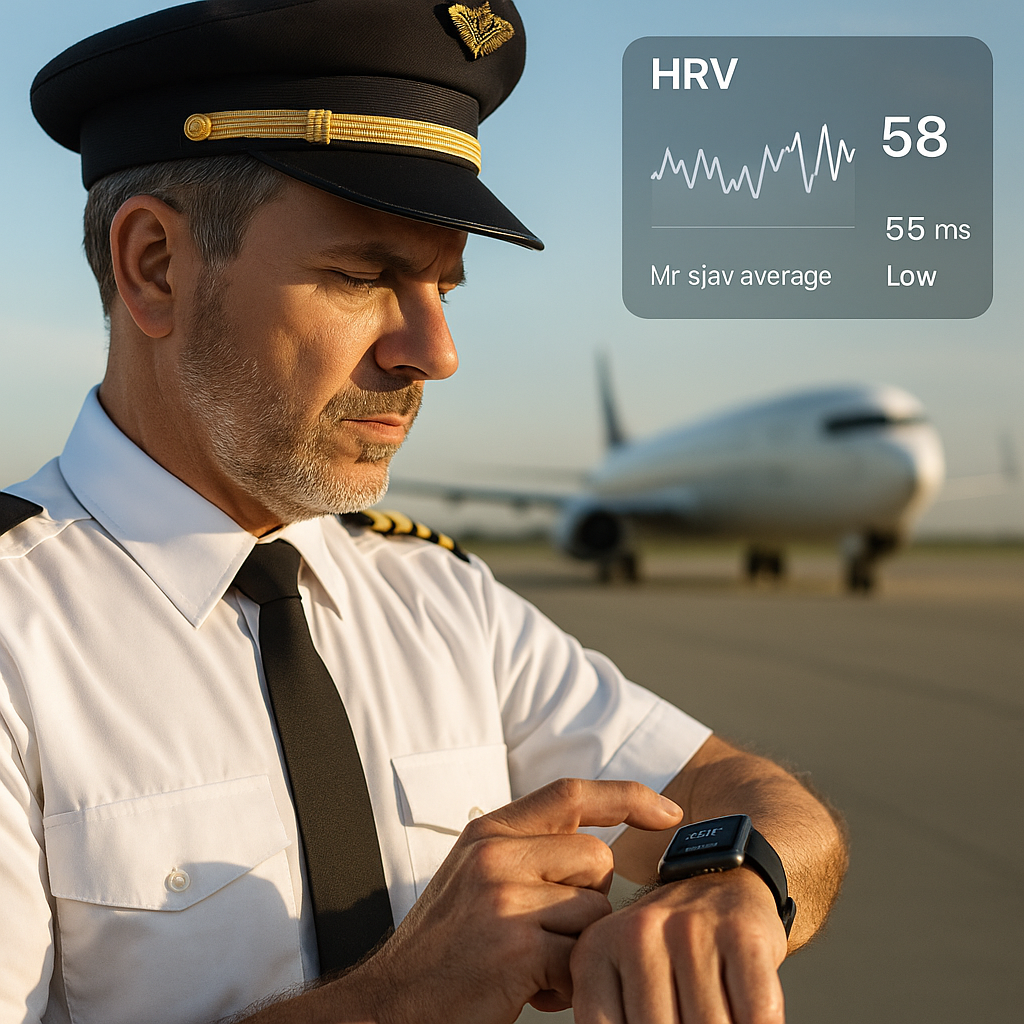
Depression and Airline Pilots: How Wearables and Digital Twins Could Save Lives
In an online world where the difference between real professionals and impostors is increasingly blurred, digital medical certification is essential to protect patients and clinical reasoning.
Read More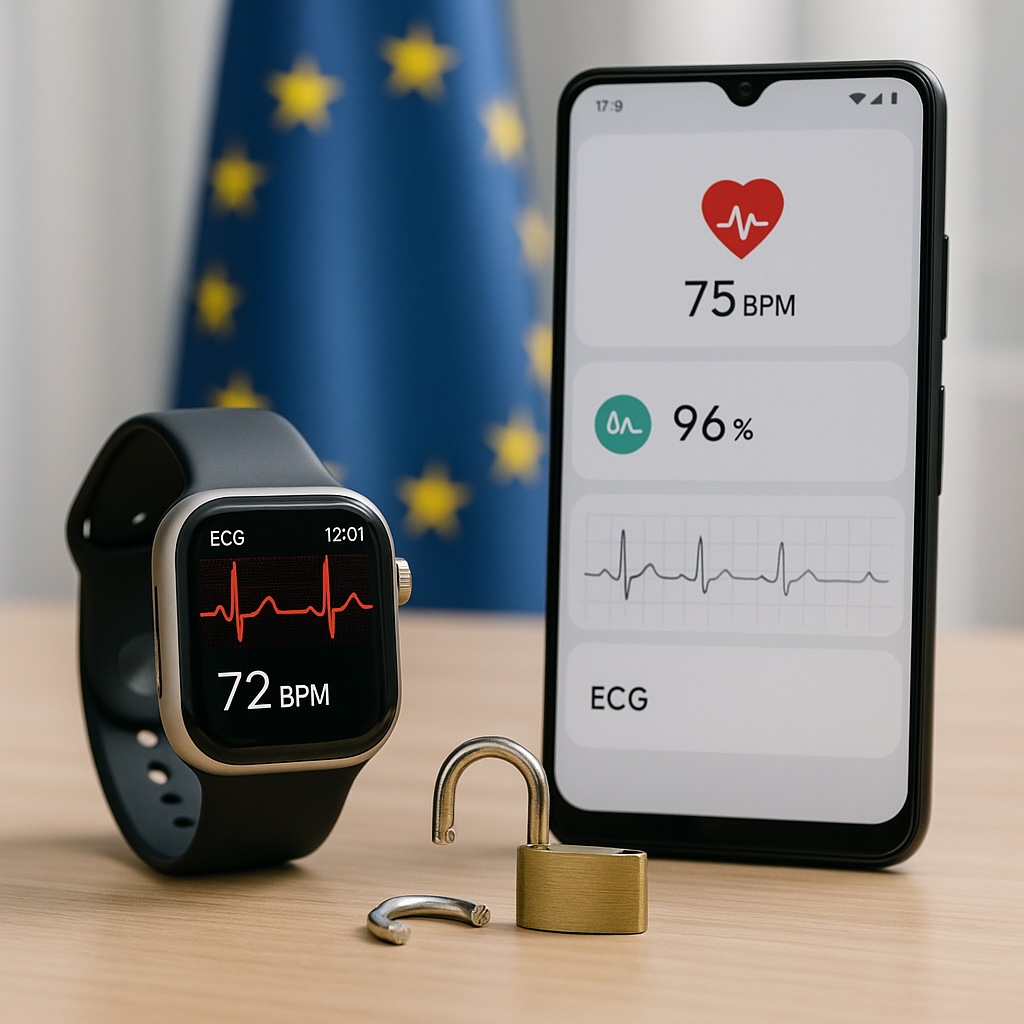
When the EU Pushes Apple, the Real News Is Universal Digital Health
A look at how the EU’s Digital Markets Act, by pushing Apple to open its ecosystem, could turn the Apple Watch from a locked device into a universal digital-health tool, expanding user freedom and access to remote monitoring.
Read More
Why Medical Certification in the Digital Era Is a Necessity — Not an Option
A reflection on why, in an online world crowded with profiles and promises, digital medical certification has become essential to distinguish real expertise from imitation and to protect both patients and professionals.
Read More
Smartwatches and Competence: The Future Didn’t Arrive — It Already Happened
An ironic, pragmatic look at how smartwatches and wearables are already reshaping healthcare: those who still treat them as gadgets risk becoming obsolete, because it is not AI that replaces doctors, but their refusal to adapt.
Read More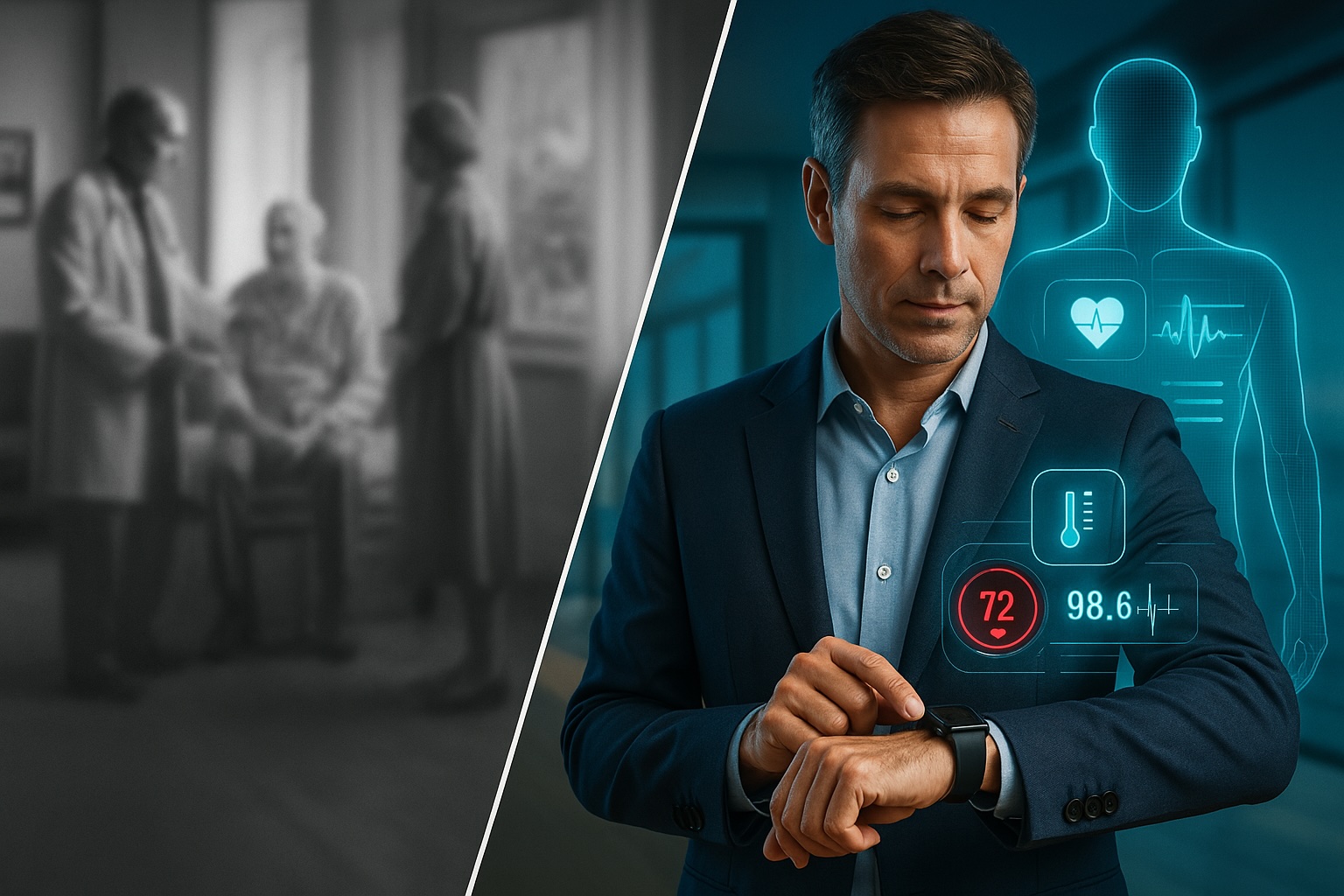
A Sharp Colour Photo vs. a Long Blurry Black-and-White Film: The Silent Revolution of the Digital Twin
A non-medical tech expert explains how the Digital Twin turns anamnesis from unreliable patient memory into a predictive, data-driven system, freeing doctors from low-value tasks and making healthcare more efficient, scalable and fair.
Read More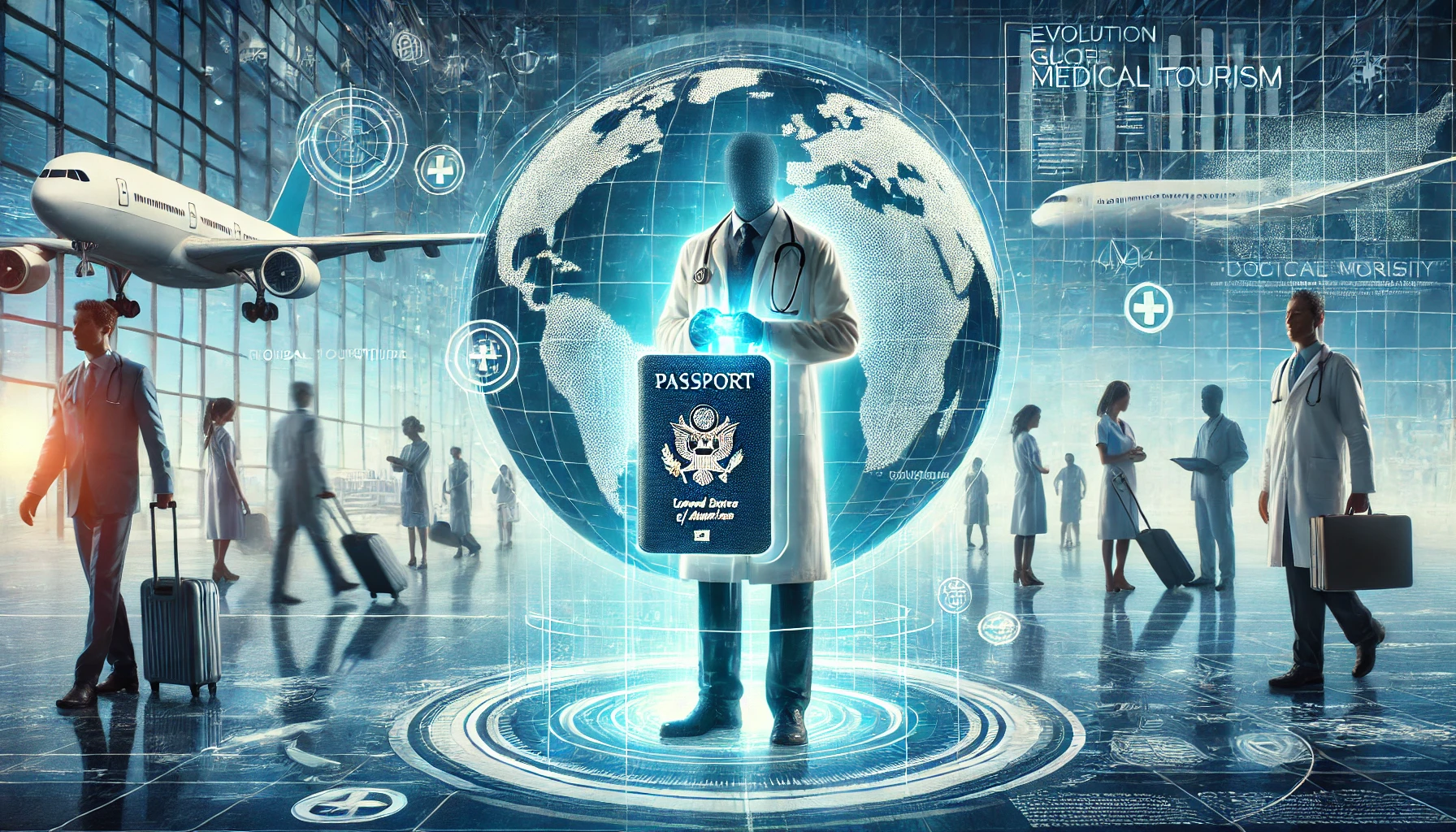
Who Moves First: The Doctor or the Patient?
Sergio d’Arpa explores the new mobility of the medical profession: today it’s not only patients who travel, but doctors as well. Digital international certification becomes a professional “passport”, easing work abroad, validating skills and opening global career opportunities.
Read More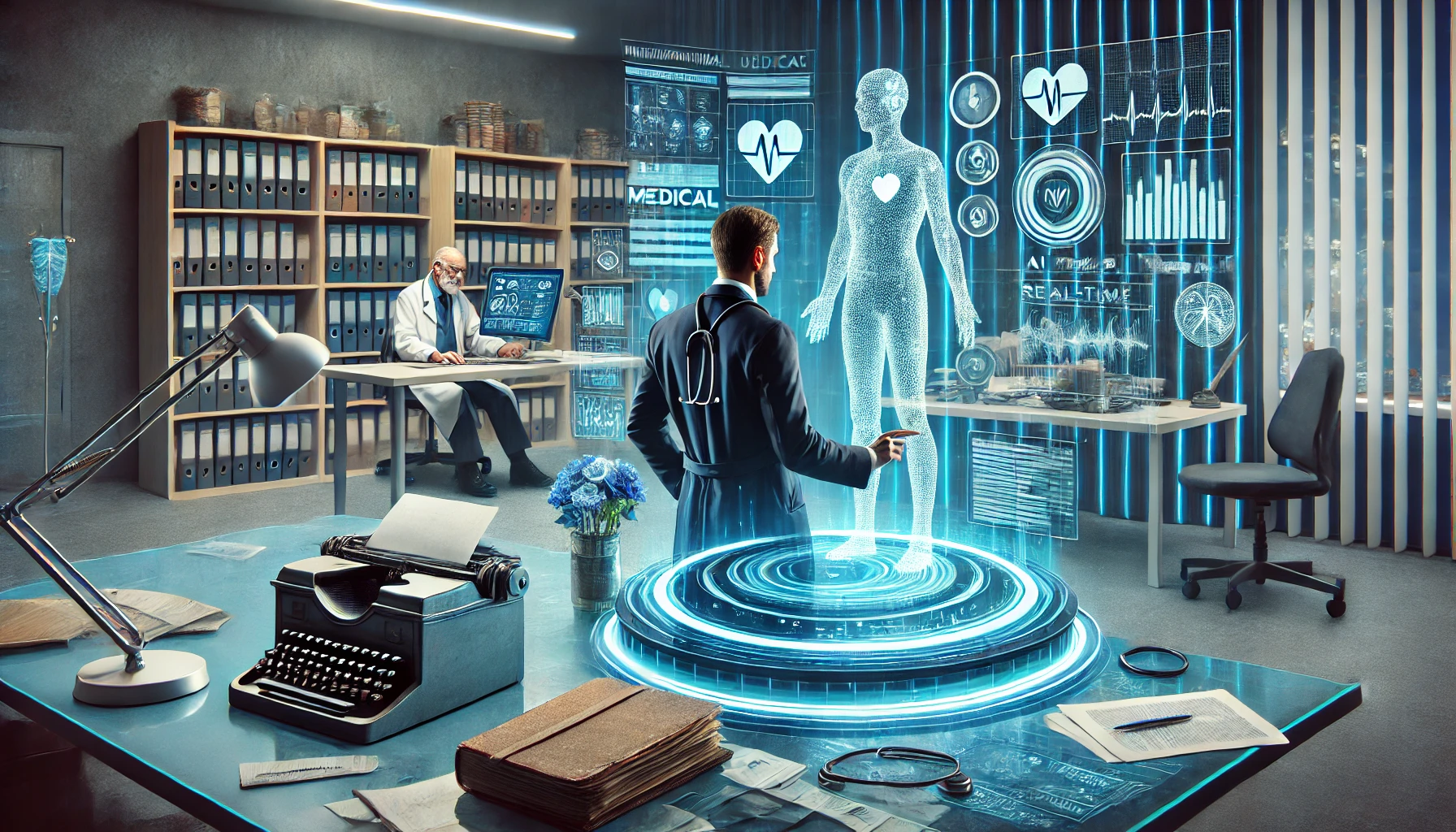
Digital Doctor or Obsolete Doctor? The Future is Now
A reflection by Sergio d’Arpa on how AI, specialised databases and Digital Twin technology are reshaping clinical practice: the doctors who move beyond Google and learn to use digital tools strategically will work more efficiently, manage longevity rather than just disease, and lead the transformation as true “digital doctors.”
Read More